
We look forward to your continuous support and cooperation.
Recently, the Shanghai CAC Agrochemical Exhibition, the largest agrochemical industry event in Asia, concluded successfully at the Shanghai World Expo Exhibition and Convention Center. As a deep-rooted practitioner and innovator in the global crop protection field, Demeter Agricultural Technology Co., Ltd. (DEMETERSCI) made a grand appearance with its full range of plant protection products, cutting-edge technical solutions and global cooperation achievements under the theme of "Green Empowers Agriculture, Technology Guards Harvest". With its solid product strength, professional service philosophy and forward-looking industry layout, it became a highly concerned key enterprise at the exhibition.
Having been deeply engaged in the industry for many years, DEMETERSCI's development journey has witnessed its growth and transformation from focusing on the domestic market to expanding into the global market. Since its establishment, the company has always focused on the crop protection field, starting with early product R&D and technical accumulation, and gradually expanding its business boundaries. It has experienced an upgrade from a single product supply to full industrial chain services, and a leap from domestic market layout to in-depth global development. It has achieved breakthroughs in technical fields such as active ingredient R&D, formulation production and overseas registration, accumulated rich industry experience and technical reserves, and gradually grown into a global full industrial chain service provider for crop protection with R&D, production, sales and service capabilities, always adhering to the brand mission of "providing solutions for a healthy life".
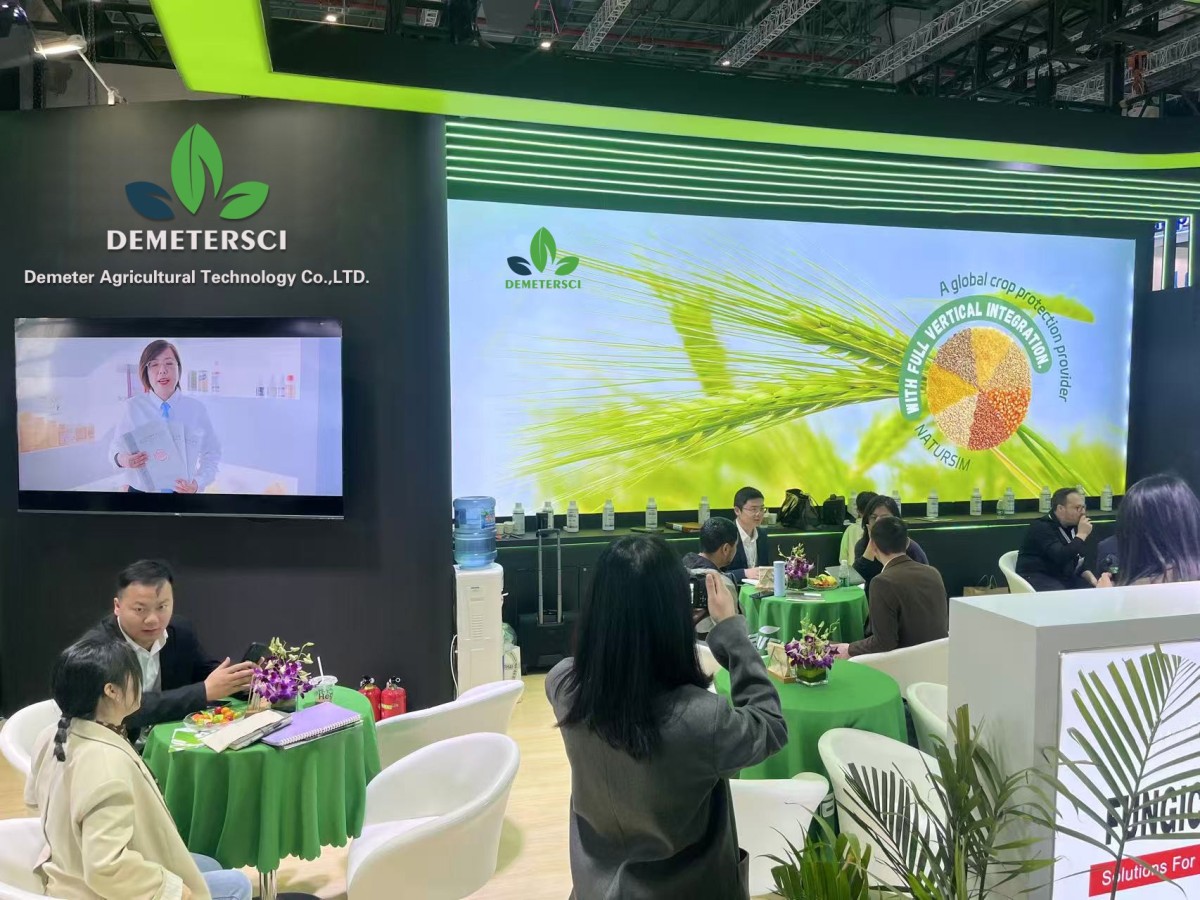
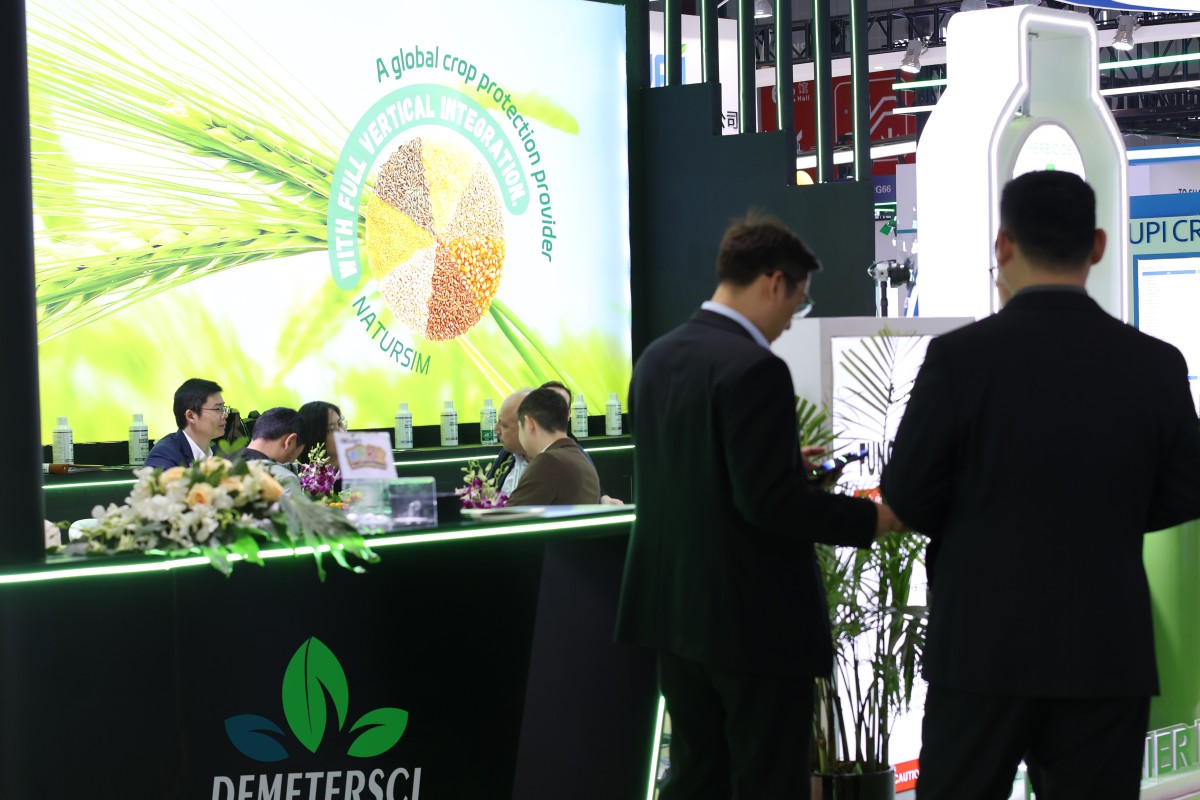
At this exhibition, DEMETERSCI's booth adopted a simple and elegant international design style, with its core brand logo "DEMETERSCI" prominently displayed, forming a visual echo with its full product matrix, comprehensively demonstrating the company's brand image and product strength. At the exhibition site, the company focused on displaying two core product lines: one is the traditional agrochemical product matrix covering herbicides, fungicides and insecticides, which includes the complete category from active ingredients to formulations, adapting to the crop planting needs in different regions around the world; the other is innovative products such as biological pesticides and high-efficiency, low-toxicity formulations launched in response to the development trend of green agriculture, which fully conforms to the global agrochemical industry's trend of "greenization, precision and sustainability", attracting many industry guests and merchants to stop for consultation.
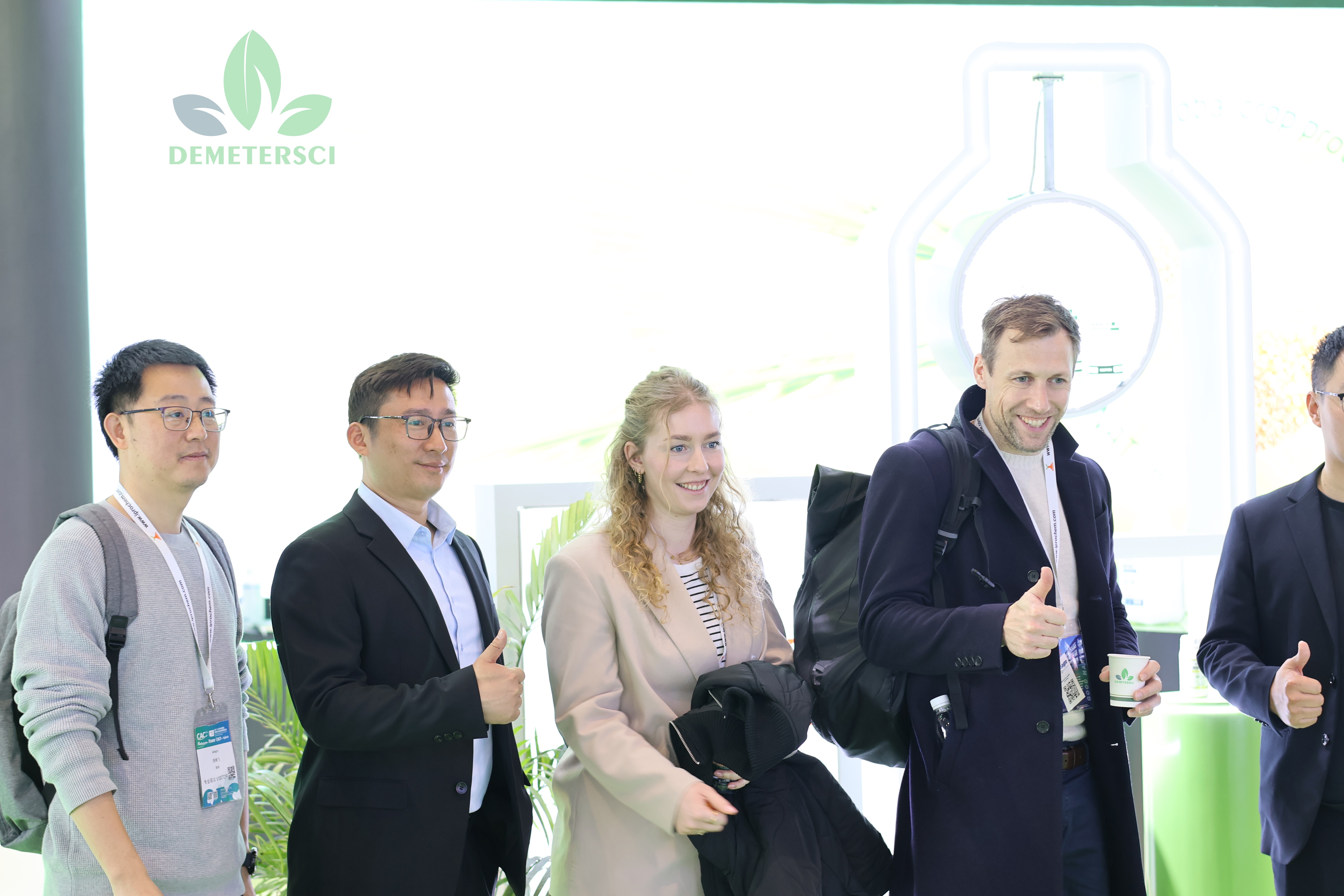
During the exhibition, the company received professional merchants from more than 20 countries and regions around the world, including Southeast Asia, the Middle East, Latin America and Europe. With professional literacy and fluent multilingual communication skills, the team members conducted in-depth negotiations on core issues such as product technical parameters, overseas registration compliance and customized cooperation plans. They not only further deepened the cooperation consensus with long-term cooperative customers, but also successfully connected with dozens of potential partners, laying a solid foundation for the subsequent expansion of overseas markets.
This participation is not only an important platform for DEMETERSCI to showcase its brand strength and product achievements to global industry partners, but also a key step for the company to deepen international cooperation and expand the global market. In the future, DEMETERSCI will adhere to its original development intention, continue to focus on the core field of crop protection, increase R&D investment, promote the innovation and upgrading of product technology, optimize the overseas market service system, help the global green and sustainable development of agriculture, and stride forward to the ranks of global leaders in the crop protection field with more firm steps.
Related Information
CONTACT US