
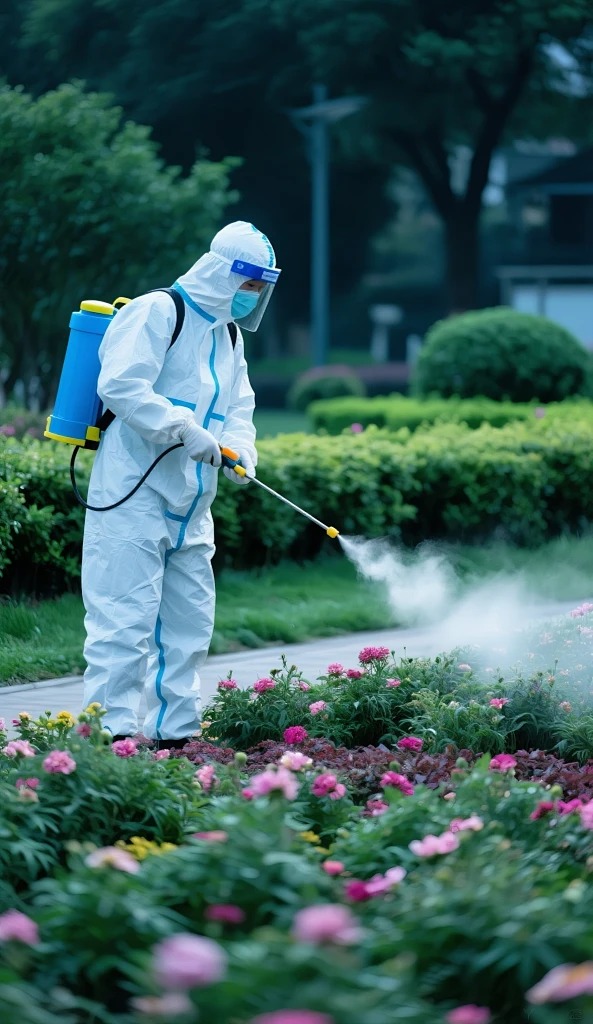
The Unseen Risks of Excessive Agricultural Chemical Use
The overuse of agricultural chemicals like insecticides, bactericides, and herbicides poses significant hidden dangers to both crop health and the environment. While these products play a crucial role in modern farming, improper application can lead to soil degradation, water contamination, and pesticide resistance. This article reveals the unseen risks of chemical dependency in agriculture and provides practical solutions for farmers and agronomists to maintain productivity while adopting safer alternatives. Learn how to balance effectiveness with sustainability in your agricultural practices.
1. Soil Degradation: The Silent Consequence of Chemical Overuse
Excessive application of agricultural chemicals disrupts the delicate balance of soil microbiology. Insecticides and bactericides often eliminate beneficial organisms along with pests, reducing soil fertility over time. Studies show that continuous use of herbicides can lead to:
- Reduction in organic matter content (up to 40% in some cases)
- Disruption of nutrient cycling processes
- Increased soil compaction and reduced water retention
Farmers should implement regular soil testing (at least twice per growing season) to monitor chemical residues and adjust application rates accordingly.
2. Water Contamination: Beyond the Field Boundaries
Runoff from fields treated with agricultural chemicals poses significant risks to aquatic ecosystems. The mobility of certain herbicides in particular has been linked to:
Implementing buffer zones (minimum 10-15 meters) around water bodies and using precision application technologies can significantly reduce these risks.
3. Pesticide Resistance: An Escalating Agricultural Crisis
The overuse of agricultural chemicals has led to what experts call the 'pesticide treadmill' - where farmers need increasingly stronger formulations to achieve the same results. Key resistance patterns include:
- Glyphosate-resistant weeds (now documented in 48 countries)
- Pyrethroid-resistant insect populations (up 300% since 2010)
- Multidrug-resistant bacterial strains in soil
Integrated Pest Management (IPM) strategies that rotate chemical classes and incorporate biological controls can break this dangerous cycle.
3.1 Implementing Effective Resistance Management
Farmers should adopt the following practices to combat resistance:
- Rotate chemical classes with different modes of action
- Mix biological controls with chemical treatments
- Follow label instructions precisely (never exceed recommended doses)
- Monitor fields weekly for early signs of resistance
4. Safer Alternatives and Sustainable Practices
Modern agriculture offers several effective alternatives to traditional agricultural chemicals:
4.1 Biological Controls
Beneficial insects like ladybugs and parasitic wasps can control pest populations naturally. Microbial insecticides derived from Bacillus thuringiensis (Bt) offer targeted pest control without broad environmental impact.
4.2 Precision Agriculture Technologies
GPS-guided sprayers and drone-based monitoring can reduce chemical use by 30-60% through:
- Variable-rate application based on real-time field data
- Early detection of pest outbreaks
- Targeted spot treatments instead of blanket applications
5. Regulatory Compliance and Best Practices
Farmers must stay informed about evolving regulations concerning agricultural chemicals. Key considerations include:
- Proper storage and disposal of chemical containers
- Worker protection standards during application
- Record-keeping requirements for all chemical applications
- Buffer zone requirements near sensitive areas
Certification programs like the Agricultural Chemical Users Certification provide essential training on safe handling practices.
Conclusion: Balancing Productivity and Sustainability
While insecticides, bactericides, and herbicides remain essential tools for modern agriculture, their overuse carries significant environmental and agronomic risks. By adopting integrated approaches that combine targeted chemical use with biological controls and precision technologies, farmers can maintain productivity while reducing their environmental footprint.
For professional guidance on optimizing your agricultural chemical use while minimizing environmental impact, contact our team of certified agronomists today. We offer customized farm assessments and sustainable management plans tailored to your specific crops and growing conditions.
Related Information
CONTACT US